

AUTHOR: Anja, VestaEco
The year 2026 has already proven to be a milestone for advancing wet agriculture across Europe. As sister projects dedicated to scaling up sustainable wetland management, PaluWise and Paludi4All teamed up for two collaborative workshops – Typha cultivation in January and Reed harvesting in March. By combining field excursions with interactive co-creation sessions, these workshops brought together researchers, practitioners, and policymakers to unlock the economic and ecological potential of paludiculture.
Typha Cultivation Workshop (January)
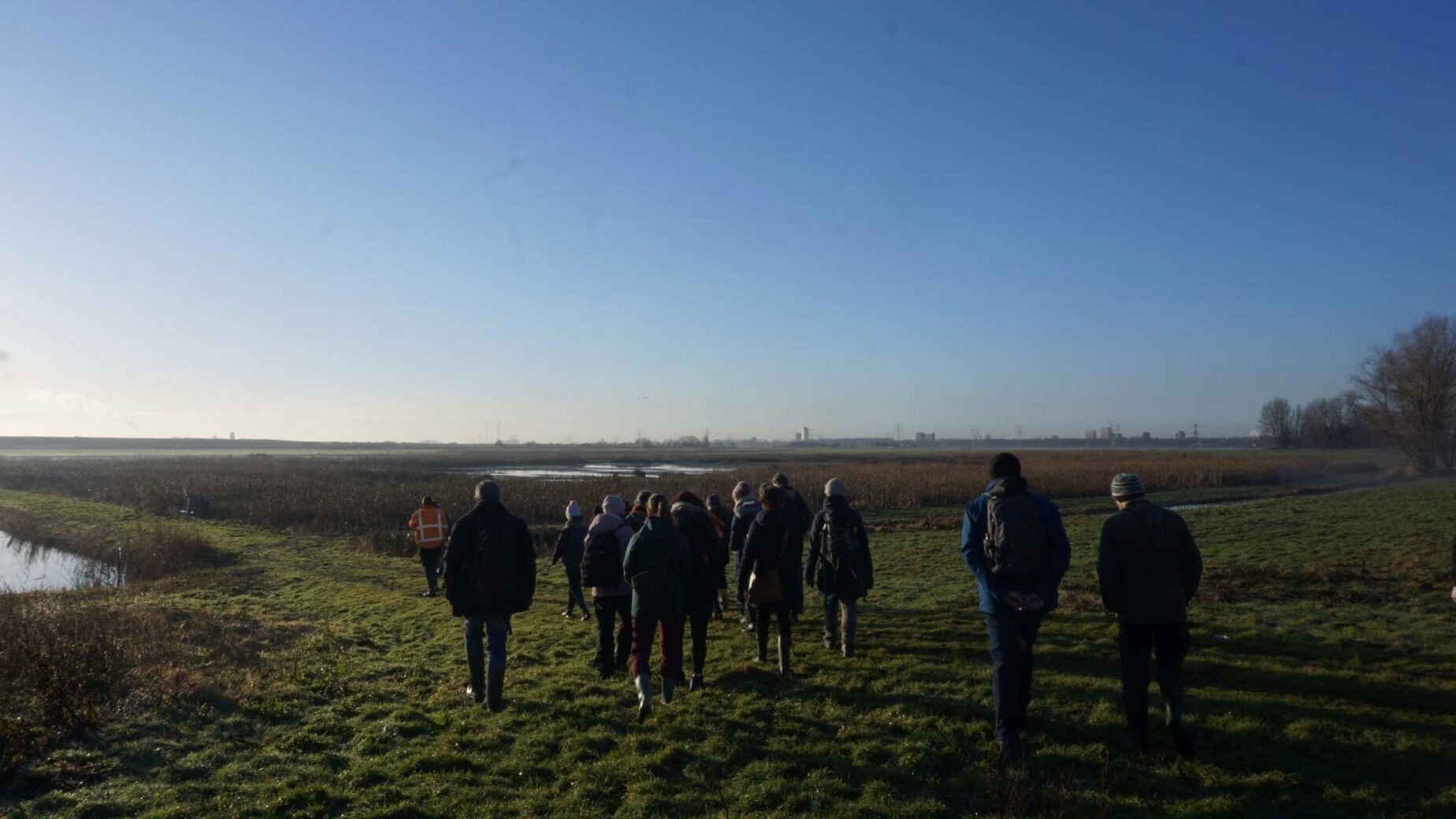
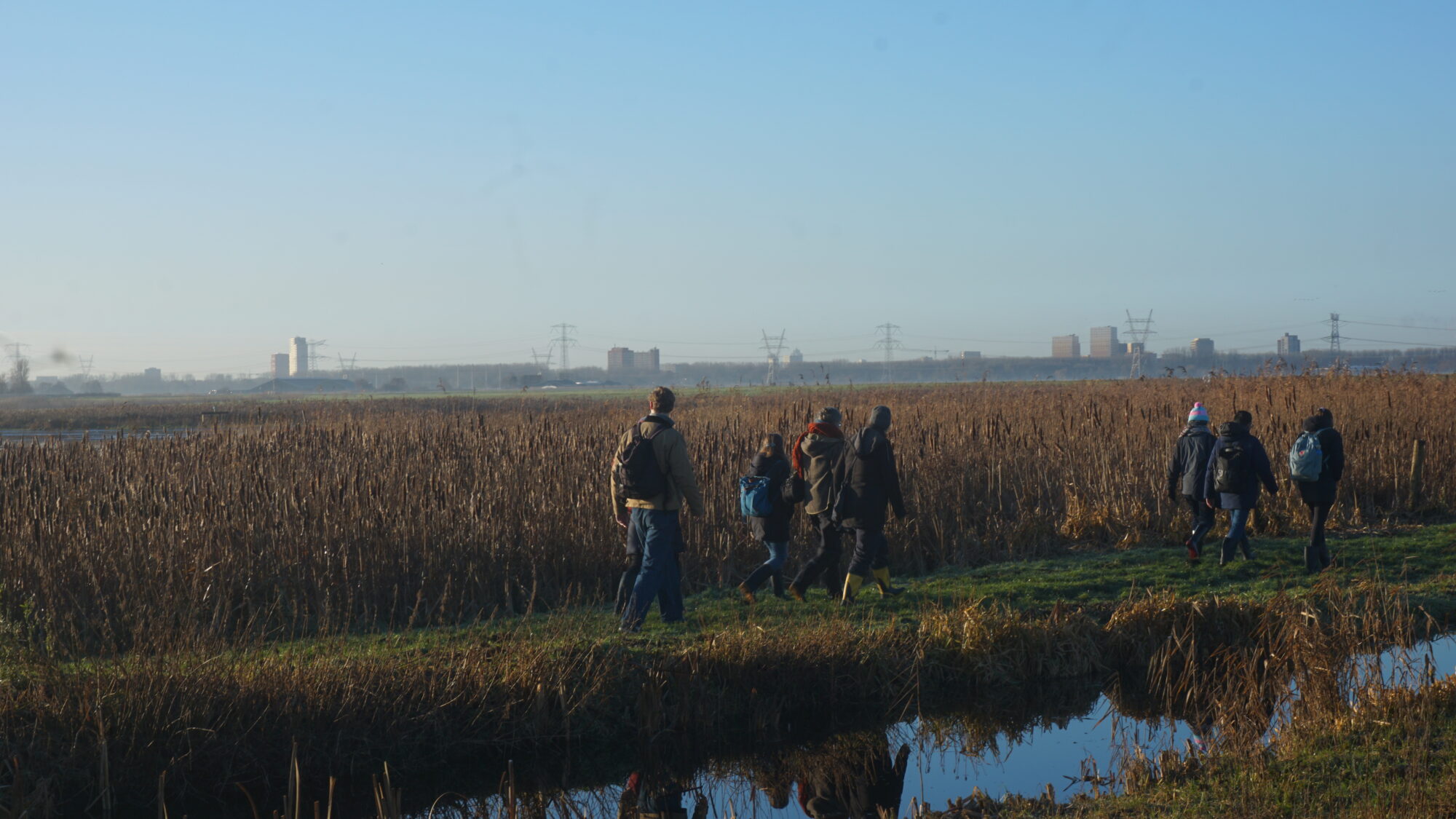
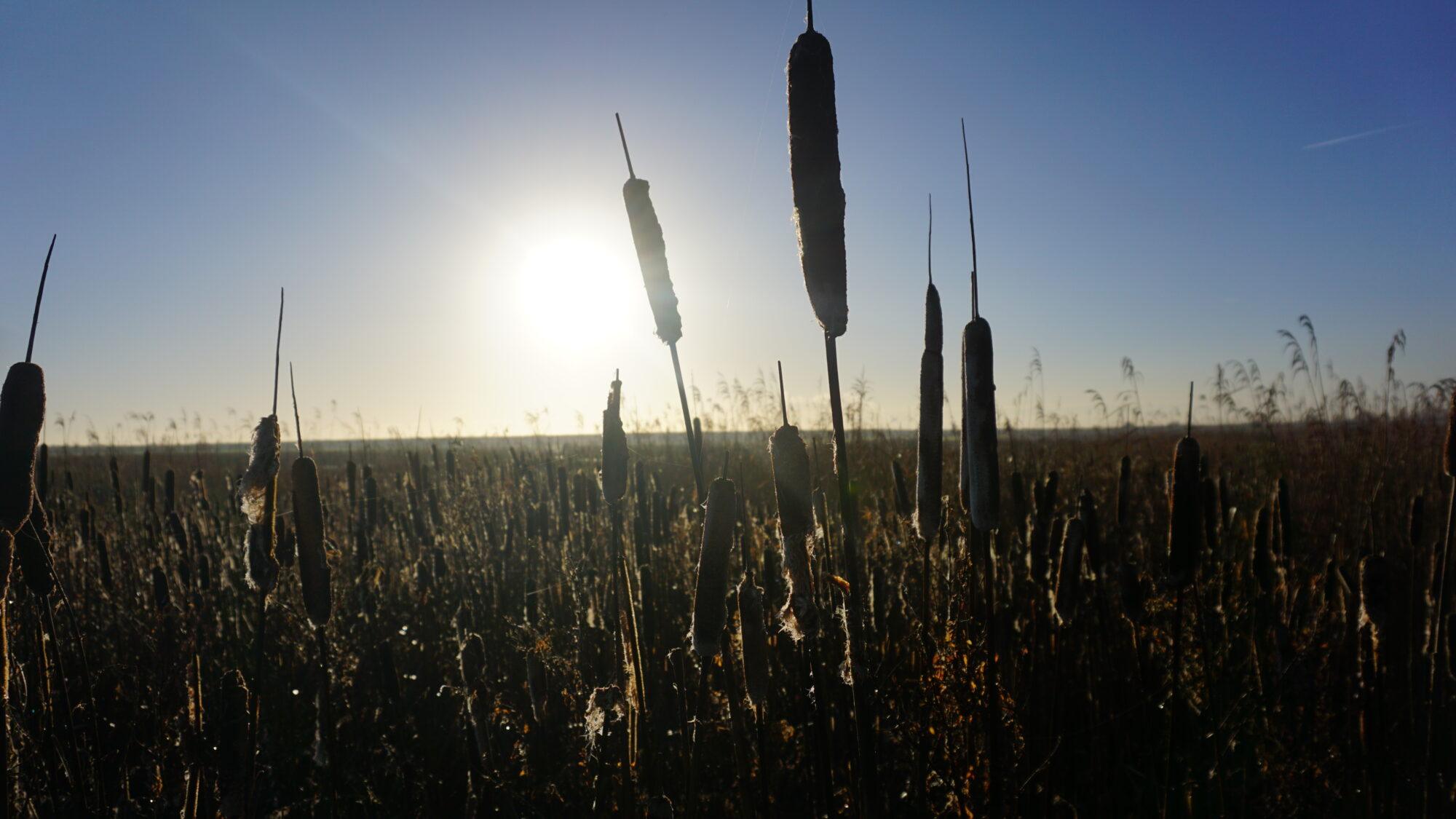
The first collaborative event kicked off as a dynamic two-day session in the Netherlands, blending field exploration with strategic indoor planning to advance Typha (cattail) paludiculture. Participants began with an excursion to the Burkmeer demonstration site, where they were guided through the site’s unique hydrological conditions, crop establishment, and harvesting practices, which was immediately followed by a live harvesting demonstration. The day concluded with a tour of Struunhoeve’s specialized drying facility and an inspiring presentation by Werner Theuerkorn and Alexandra Fritsch from Typha Technik Naturbaustoffe, who showcased how this versatile plant can be processed into innovative, sustainable building materials for structural engineering.
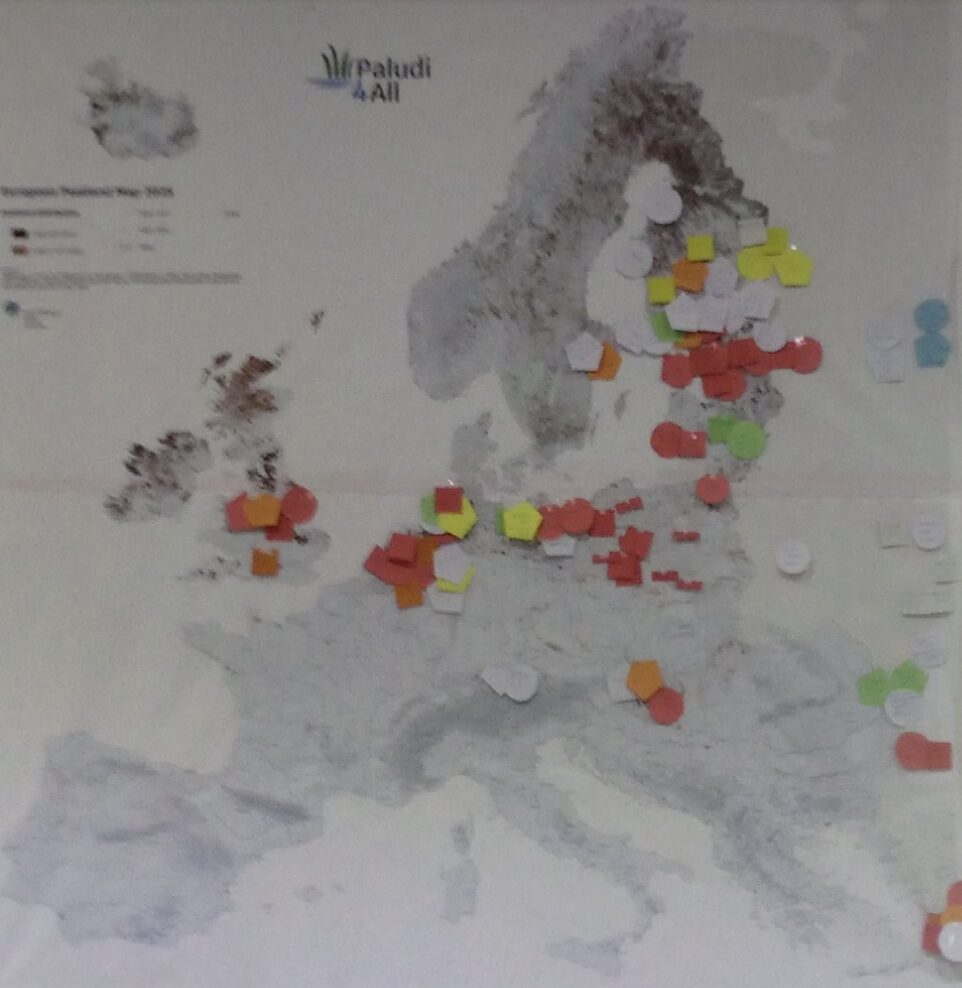
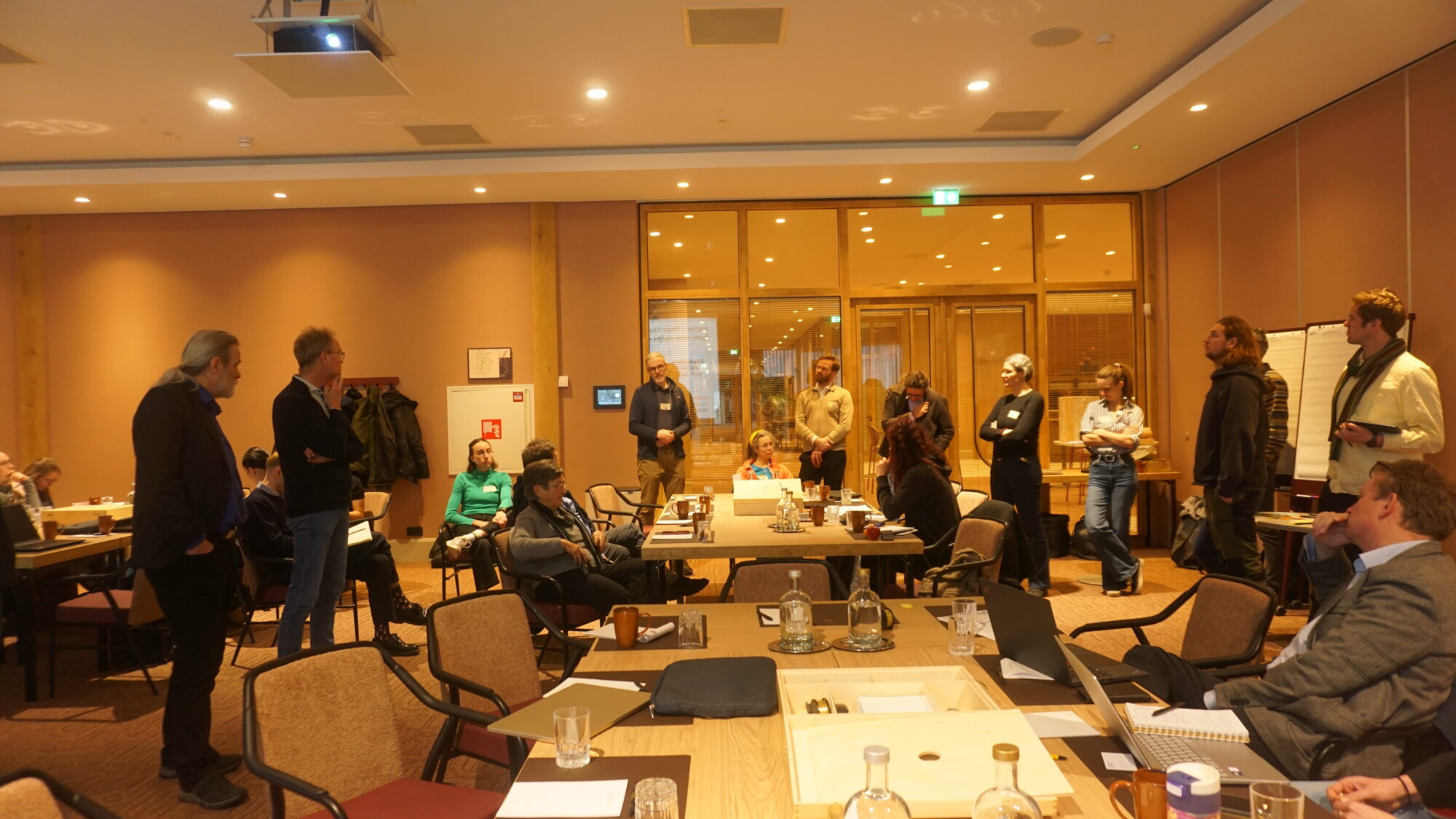
The focus shifted indoors on the second day, targeting the economic, technical, and governance frameworks necessary to scale up Typha markets. Participants engaged in a collaborative mapping session to identify existing and potential actors across the European cattail value chain. This was followed by a moderated World Café process across four themed tables, where participants brainstormed concrete starting points to improve the scalability and feasibility of wet agriculture. While the table moderators clustered these ideas, Ed Buijs from the City of Amsterdam enriched the session by presenting municipal procurement instruments and funding mechanisms designed to support regional rewetting projects.
The workshop concluded with a gallery walk where attendees prioritised the World Café proposals, ensuring that the collective data, networking insights, and transcripts would be directly integrated into upcoming PaluWise work package deliverables. The momentum built during these sessions will not stop here, as the project teams are already planning a follow-up online workshop to dive even deeper into the solutions discovered. Ultimately, the entire event proved that the future of Typha relies heavily on securing municipal backing and building robust business models that give farmers the confidence to transition to wet resource management.
Key Takeaway: Establishing efficient logistics and streamlined processing chains on-site is absolutely vital for ensuring the economic viability and commercial scalability of Typha-based paludicultural value chains.
Reed Cultivation Workshop (March)
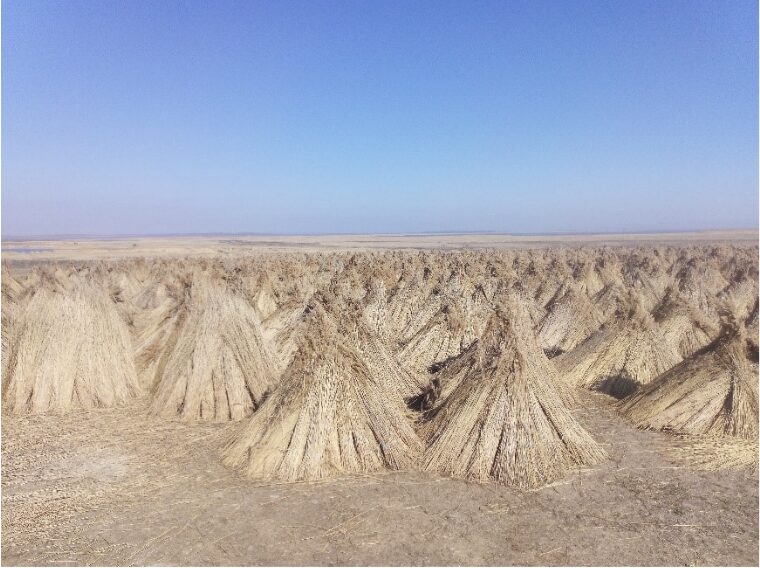
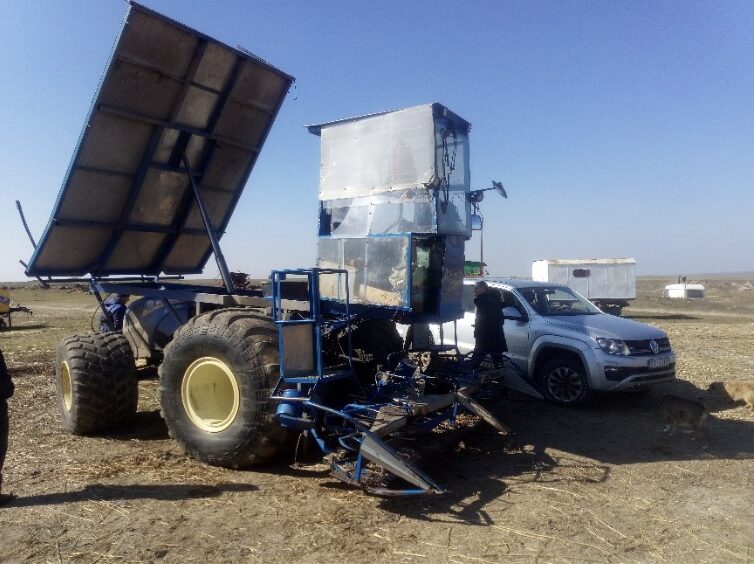
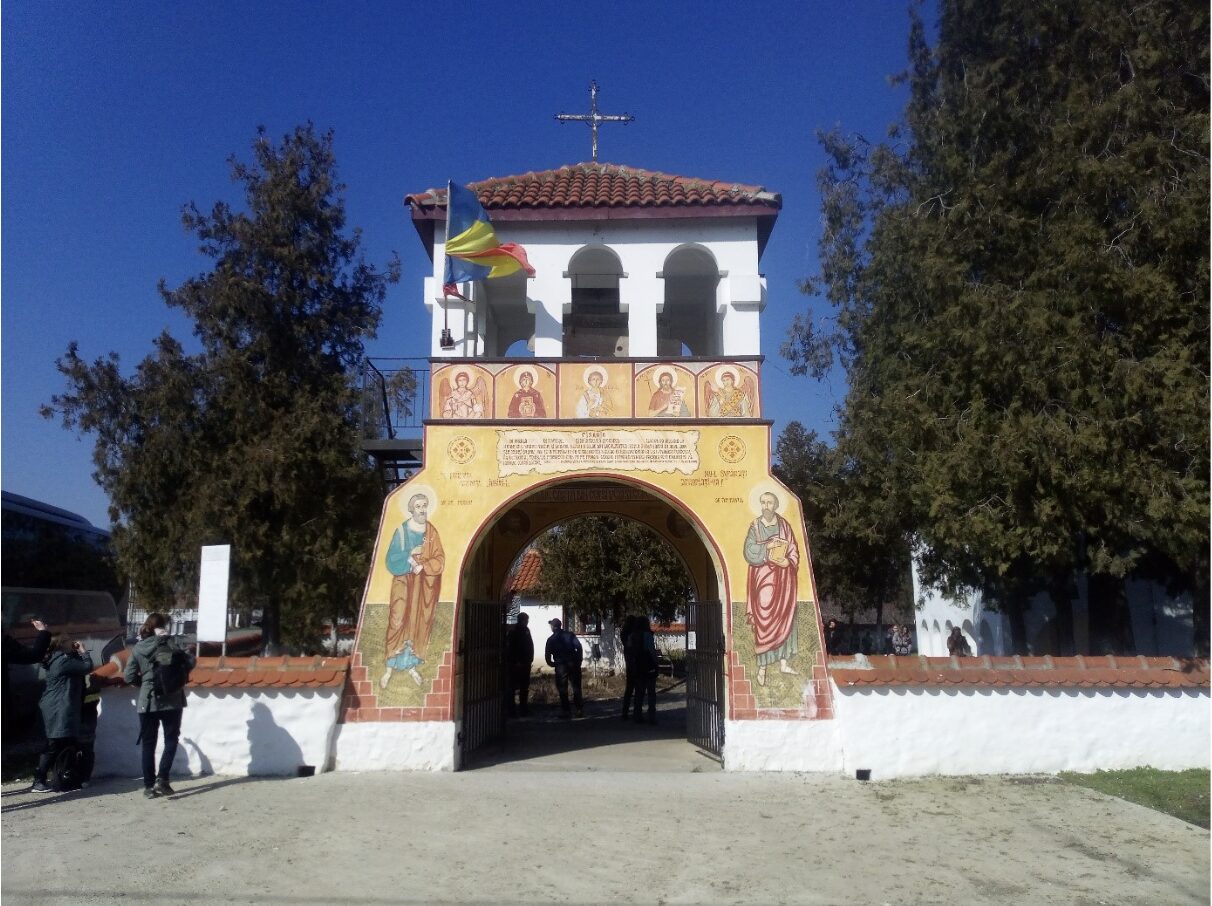
The second joint event took place during March, in Romania, gathering PaluWise partners and international stakeholders to explore the future of reed cultivation within the iconic Danube Delta. As a protected, high-biodiversity hotspot fed by a vast network of canals, this region provided the perfect backdrop for exploring commercial reed management. On the first day, participants traveled to a winter harvesting and processing site near the historic “Holy Trinity” buried church in Istria. Attendees observed the logistics of the region’s strict 70-day harvest window, learning how specialised vehicles equipped with large, water-filled balloon tires—rather than tracks—are used to navigate high water levels without floating or damaging the ecosystem.
The second day focused on the technical and ecological complexities of utilising reed as an industrial substrate, noting that natural wetland stocks present a highly unpredictable, heterogeneous mix of plant heights and qualities compared to uniform cultivation inventories. The expert presentations highlighted that while one ton of reed successfully sequesters 1.5 tons of carbon dioxide, more targeted research and robust business cases are desperately needed if European reed is to compete effectively against wood, oil-based alternatives, or cheap international imports. To solve this, discussions centered on two commercial pathways: substituting existing industrial raw materials and inventing entirely new reed-based applications, such as generating clean biomass energy for steel production.
To bridge the gap between experimental proof-of-concepts and widespread market adoption, participants emphasised the need to completely restructure the supply chain. The workshop concluded with a call to develop regional “biomass hubs” and advanced sorting processes capable of handling all grades of harvested reed, ensuring that entire wetland sites can be harvested profitably while matching diverse biomass qualities directly with market demands. By utilising tools like the newly developed Paludi Stakeholder Map, the project aims to keep this vital network connected to turn these macro-level supply chain strategies into a reality.
Key Takeaway: To build market confidence and secure profitability for farmers, the industry must transition toward regional biomass hubs that harvest entire wetland sites and sort all reed qualities to match specific commercial demands.
Lorem Ipsum is simply dummy text of the printing and typesetting industry. Lorem Ipsum has been the industry’s standard dummy text ever since the 1500s, when an unknown printer took a galley of type and scrambled it to make a type specimen book. It has survived not only five centuries, but also the leap into electronic typesetting, remaining essentially unchanged. It was popularised in the 1960s with the release of Letraset sheets containing Lorem Ipsum passages, and more recently with desktop publishing software like Aldus PageMaker including versions of Lorem Ipsum.